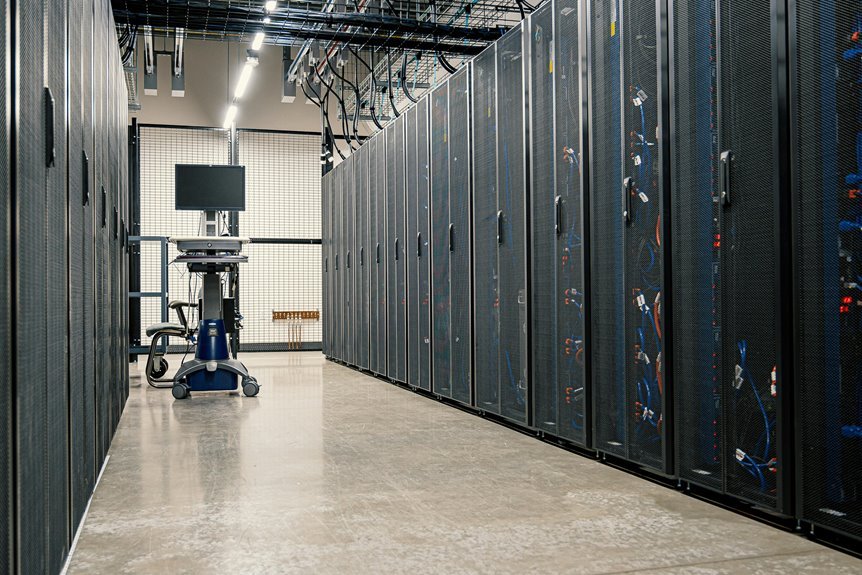
High Availability Systems 602508947 Support is essential for maintaining operational continuity in various environments. These systems utilize redundant architecture and load balancing techniques to minimize downtime. By effectively replicating data and addressing potential single points of failure, they enhance resilience. The implications of these features extend beyond mere reliability. Understanding their impact on customer retention and organizational efficiency reveals deeper insights into their strategic value. This leads to critical questions about implementation and best practices.
Understanding High Availability Systems and Their Importance
High availability systems are designed to ensure continuous operational performance, even in the face of failures or unexpected disruptions.
Their importance lies in leveraging redundant architecture to enhance system resilience, thus minimizing downtime and maintaining service continuity.
This strategic approach not only protects critical data but also fosters an environment where users experience uninterrupted access, ultimately promoting organizational efficiency and user satisfaction.
Key Features of High Availability Systems 602508947 Support
A robust framework of features characterizes high availability systems, ensuring that they meet the demands for uninterrupted service.
Key elements include scalability options that allow for dynamic resource allocation and redundancy strategies that mitigate single points of failure.
These features work synergistically to enhance system resilience, providing organizations with the reliability necessary to achieve operational continuity in an increasingly demanding environment.
Best Practices for Implementing High Availability Solutions
When organizations seek to implement high availability solutions, careful planning and execution are essential to ensure optimal performance and resilience.
Employing effective load balancing techniques distributes traffic evenly across servers, preventing bottlenecks.
Additionally, implementing redundancy strategies, such as failover systems and data replication, safeguards against single points of failure.
These best practices collectively enhance system reliability and minimize downtime in critical operations.
How Do High Availability Systems Enhance Customer Satisfaction and Operational Efficiency?
While organizations increasingly rely on digital services, the implementation of high availability systems plays a critical role in enhancing customer satisfaction and operational efficiency.
These systems ensure system reliability, reducing downtime and maintaining continuous service. Consequently, organizations experience improved customer retention as users engage with dependable services.
Conclusion
In conclusion, High Availability Systems 602508947 Support significantly strengthens system stability and service satisfaction. By systematically safeguarding against failures and sustaining seamless service delivery, these solutions serve as a strategic safeguard for organizations. Their robust resilience and reliable redundancy not only promote operational efficiency but also foster lasting loyalty among customers. Ultimately, the integration of high availability frameworks cultivates confidence, creating a cornerstone for continual connectivity and comprehensive customer contentment in today’s dynamic digital landscape.