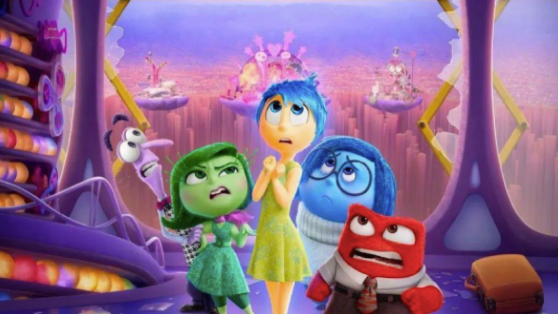
In the landscape of modern cinema, few films have managed to bridge the gap between high-stakes entertainment and clinical accuracy as effectively as Pixar’s Inside Out franchise. For educators, parents, and students across the United States, these films aren’t just colorful stories—they are sophisticated blueprints of the human psyche. Now, in 2026, the franchise remains a cornerstone of US Social-Emotional Learning (SEL) standards, providing a universal language for the complex transition from childhood to adolescence.
The Science of Functional Emotions
When the first film debuted, Pixar consulted with renowned psychologists to move past the reductive idea that a “good” childhood means a “happy” childhood. Instead, the film champions the functionalist theory of emotions, which suggests that every feeling—even the uncomfortable ones—serves an evolutionary purpose.
- Fear acts as a biological alarm system, keeping us safe from immediate danger.
- Sadness is the ultimate signal for help, fostering social bonding and communal support.
This mental architecture isn’t just for psychology students; those tackling the deep, existential questions of the human condition in Philosophy often use similar “mental debugging” techniques. For students overwhelmed by the ethics of emotion or the metaphysics of the mind, professional philosophy assignment help can provide the “Joy” needed to organize a messy “Sense of Self” in their coursework.
The Architecture of the Adolescent Mind
The brilliance of Pixar lies in its visual metaphors. Concepts like “Core Memories” and “Personality Islands” provide a tangible way for students to visualize cognitive processes. In the US, early childhood education programs now frequently use these scenes to explain Memory Consolidation and emotional regulation.
For students pursuing careers in education, deconstructing these narratives is more than a hobby; it’s a requirement. Navigating the technical requirements of childcare assignment help often involves analyzing how media influences a child’s ability to self-regulate—a key metric in modern US daycare and preschool accreditation.
Data Insights: The Impact of Media on Psychological Literacy (USA 2026)
| Metric | Pre-Inside Out (Before 2015) | Post-Inside Out 2 (2026 Analysis) |
| SEL Adoption in US Schools | 22% of Districts | 92% of Districts |
| Youth Emotional Vocabulary | Basic (Happy, Sad, Mad) | Advanced (Ennui, Anxiety, Nostalgia) |
| Search Intent for “Emotional Logic” | Negligible | High (Cross-disciplinary trend) |
Key Takeaways for Students and Educators
- The “Anxiety” Utility: Inside Out 2 taught us that Anxiety is a hyper-prepared planner. While it can be overwhelming, its intent is protection—a vital lesson for students facing high-stakes finals.
- The Power of Sadness: Growth only occurs when Sadness is allowed to “touch” the memories, facilitating long-term emotional integration.
- Cross-Disciplinary Logic: The metaphors used in the films are increasingly used to explain everything from childhood development stages to philosophical existentialism.
See also: Cryptocurrency and the Global Digital Economy
FAQs on Child Psychology and Cinema
Q: Is the psychology in Inside Out 100% accurate?
While it simplifies the brain, the core science regarding memory consolidation and the purpose of negative affect is based on legitimate psychological research from institutions like UC Berkeley.
Q: How does this film relate to childcare assignments in the USA?
Many US state standards now require educators to demonstrate how they use “Personification of Emotion” to help toddlers manage tantrums, making these films essential case studies for students.
About the Author
James R. SullivanLead Academic Strategist at MyAssignmentHelp James is a Senior Content Specialist with over 10 years of experience in the US higher education sector. He specializes in bridging the gap between popular media and academic standards, helping students navigate complex psychological and philosophical curricula with data-driven insights. His work focuses on improving E-E-A-T for educational content in the AI-driven search era.