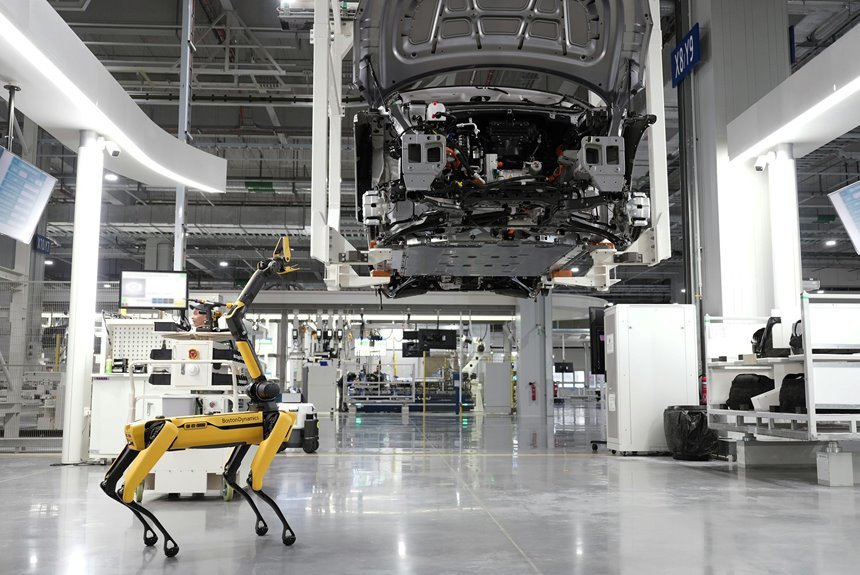
The growth of Digital Automation Systems 3783041149 reflects a strategic response to increasing demands for operational efficiency. Businesses are leveraging these systems to enhance reliability and reduce costs. This shift not only streamlines workflows but also fosters innovation by reallocating resources toward strategic initiatives. As organizations adopt these technologies, understanding the specific advantages and future implications becomes essential. What factors will further influence this evolution in automation?
The Rise of Digital Automation Systems: Key Drivers Behind Growth
The emergence of digital automation systems has transformed industries by streamlining operations and enhancing efficiency.
Key drivers behind this growth include rising market demand for faster, more reliable services and significant technological advancements.
As businesses seek to adapt and thrive in a competitive landscape, these systems offer innovative solutions that empower organizations, fostering a sense of freedom and versatility in their operational strategies.
Exploring the Advantages of Model 3783041149 for Businesses
While businesses continuously seek ways to enhance their operational efficiency, Model 3783041149 stands out as a pivotal tool in the realm of digital automation systems.
Its implementation offers significant cost savings through streamlined processes and reduced labor costs.
Furthermore, its inherent operational scalability allows businesses to adapt swiftly to market changes, empowering them to innovate and expand without compromising efficiency or resource allocation.
How Do Digital Automation Systems Boost Productivity and Efficiency?
How can digital automation systems transform traditional workflows into streamlined operations that enhance productivity and efficiency?
By enabling task optimization and sophisticated workflow management, these systems eliminate redundancies and accelerate processes.
Organizations can allocate resources more effectively, reducing manual errors and increasing output.
Ultimately, this transformation fosters an environment where creativity thrives, allowing teams to focus on strategic initiatives rather than mundane tasks.
Future Trends Shaping the Evolution of Automation Technologies
As organizations increasingly embrace digital transformation, emerging trends in automation technologies are poised to redefine operational landscapes.
AI integration and predictive analytics will drive smarter decision-making, fostering agility and innovation. These advancements enable organizations to anticipate market shifts and optimize processes, granting them unprecedented freedom to adapt.
Consequently, the future of automation technologies will be characterized by enhanced efficiency and strategic foresight.
Conclusion
In light of the undeniable advantages offered by Digital Automation Systems 3783041149, concerns regarding initial implementation costs become less significant when weighed against long-term efficiency gains and operational resilience. Organizations that embrace these technologies not only streamline their processes but also position themselves for future growth in an increasingly competitive environment. The strategic integration of such systems ultimately empowers businesses to innovate and adapt, ensuring they remain at the forefront of industry advancements and market demands.